

You can save up to 15% on thousands of hotels
Become a member for free
 The best price on last-minute hotel deals.
 The best choice with millions of stays worldwide.
 The best availability, even at the last minute.
 Free cancellation options and fast, friendly support.

9.4
129 reviews

9.4
46 reviews

10.0
16 reviews

9.8
82 reviews
You can save up to 15% on thousands of hotels
Become a member for free
Tired of looking at spreadsheets? We get it. Sometimes you just need to trade your morning commute for a bumpy jeep ride across the savanna. A safari vacation is the ultimate way to unplug, reset, and realize that your boss’s emails aren’t the most intimidating things on the planet. A charging hippo definitely takes that top spot.
Whether you’re eyeing up the vast plains of Africa or looking for a wild weekend closer to home in the US, we’re here to help you sort it out.
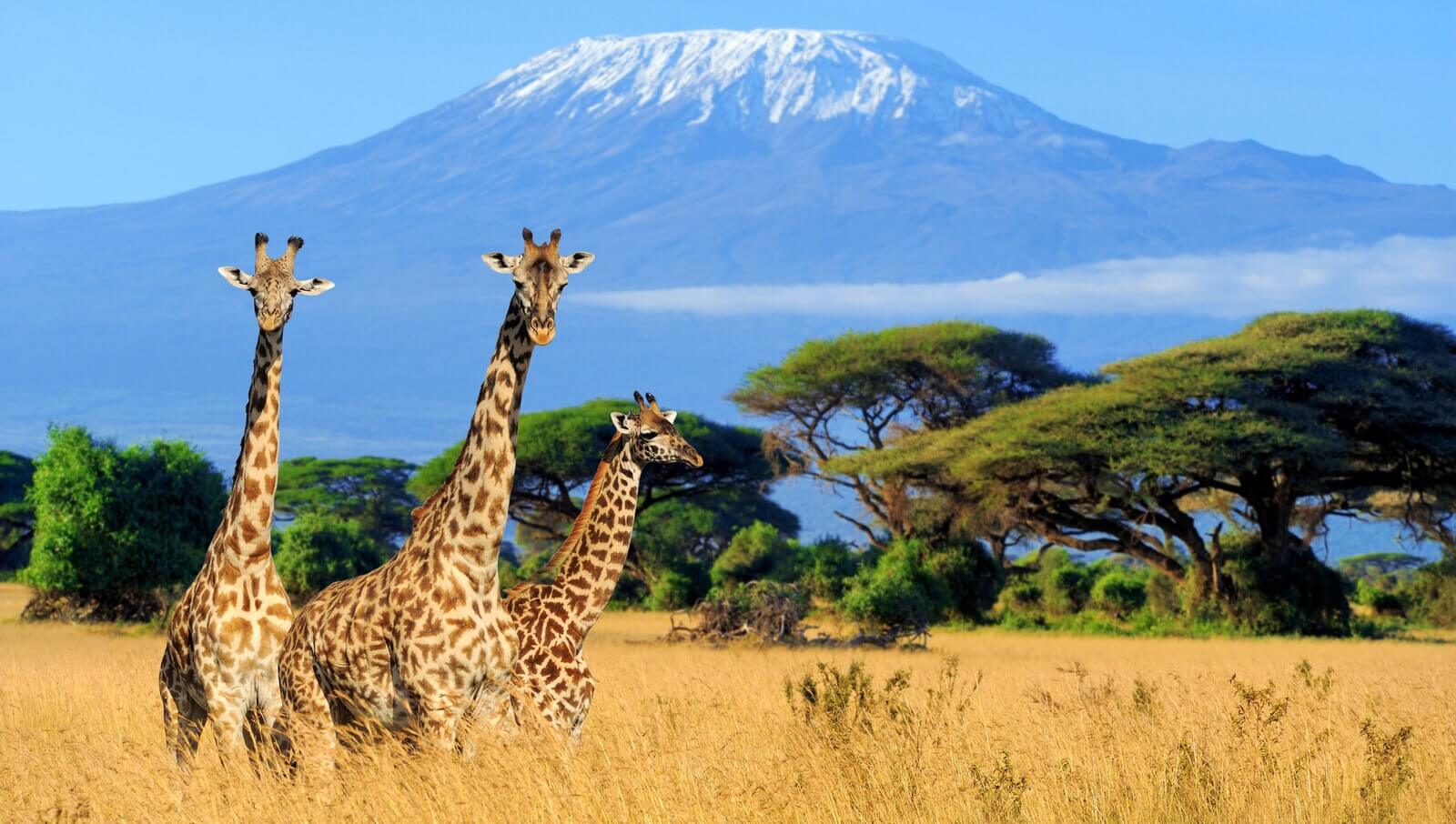
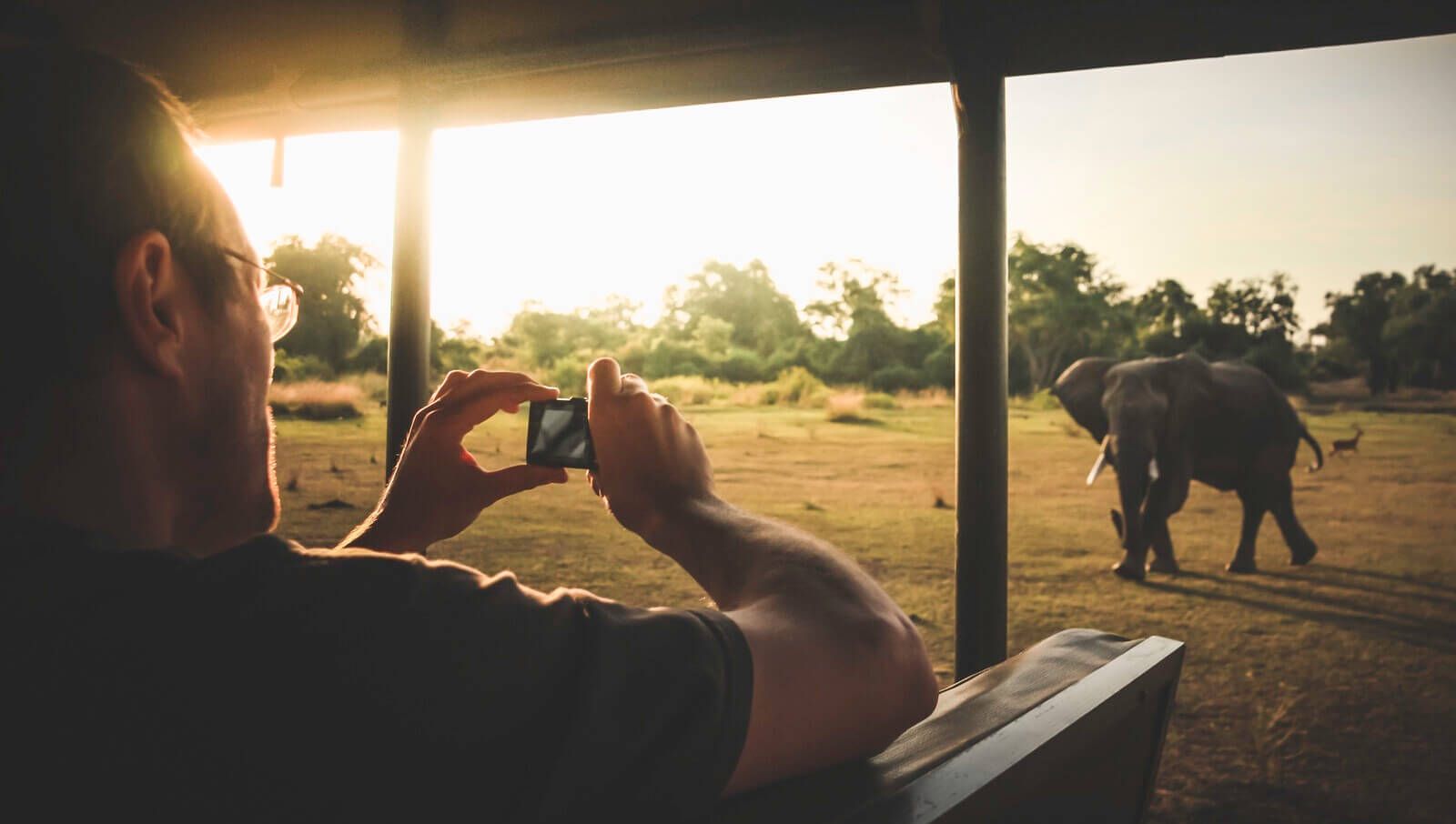
There’s absolutely nothing quite like waking up to the sound of a lion roaring in the distance. Or realizing a monkey has just stolen your breakfast. Going on an African safari is a massive bucket-list trip, and for good reason. The landscapes are wild, the sunsets are ridiculous, and the wildlife is entirely unbothered by your presence.
But where should you actually go? The Maasai Mara in Kenya and the Serengeti in Tanzania are the heavyweights for spotting the Great Migration. If you want a solid, first-timer-friendly trip, Kruger National Park in South Africa is a brilliant shout.
As for the animals, you’ll be on the lookout for the Big Five: lions, leopards, rhinos, elephants, and African buffalo. But don’t sleep on the giraffes, zebras, and cheetahs, either.
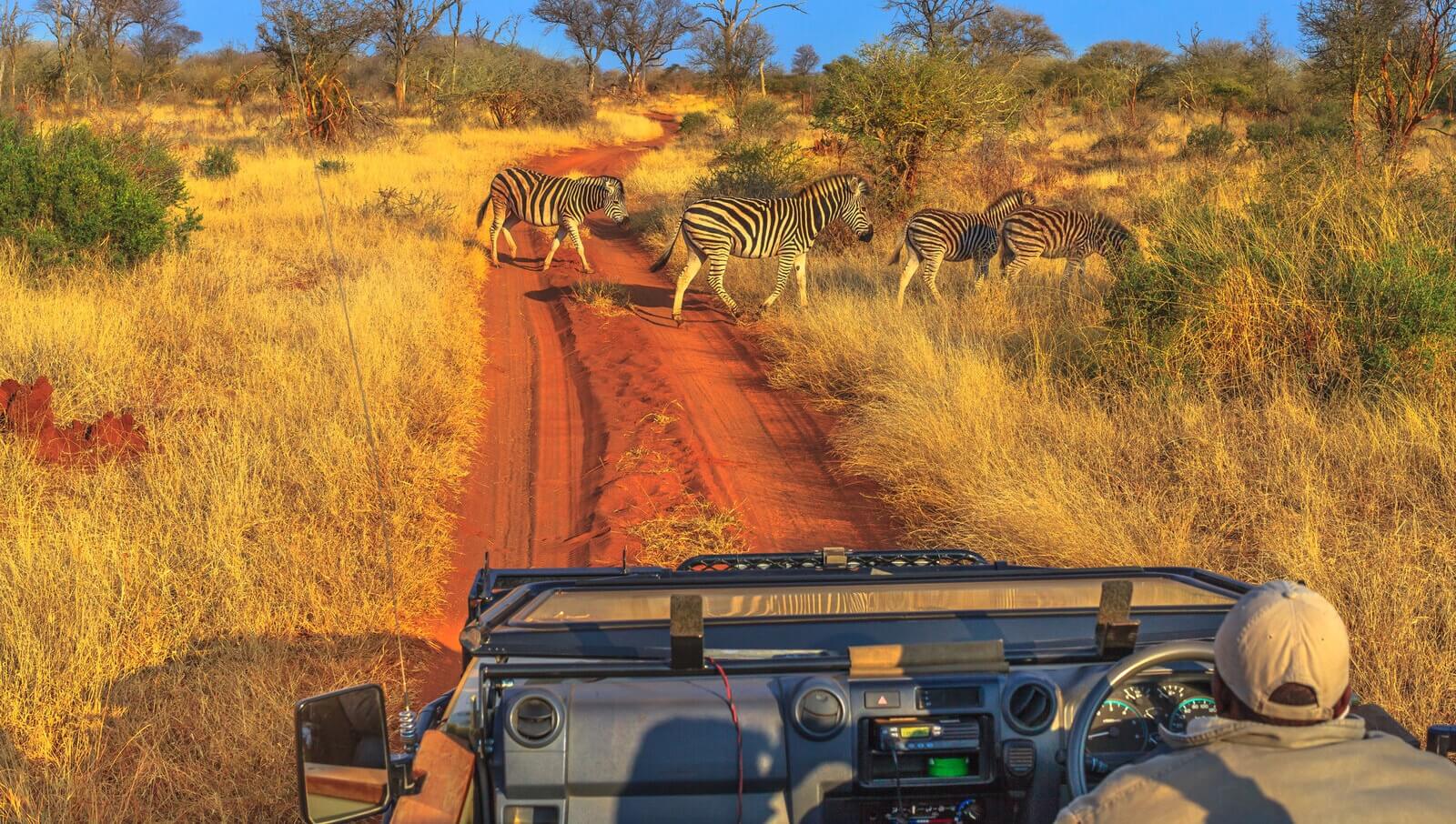
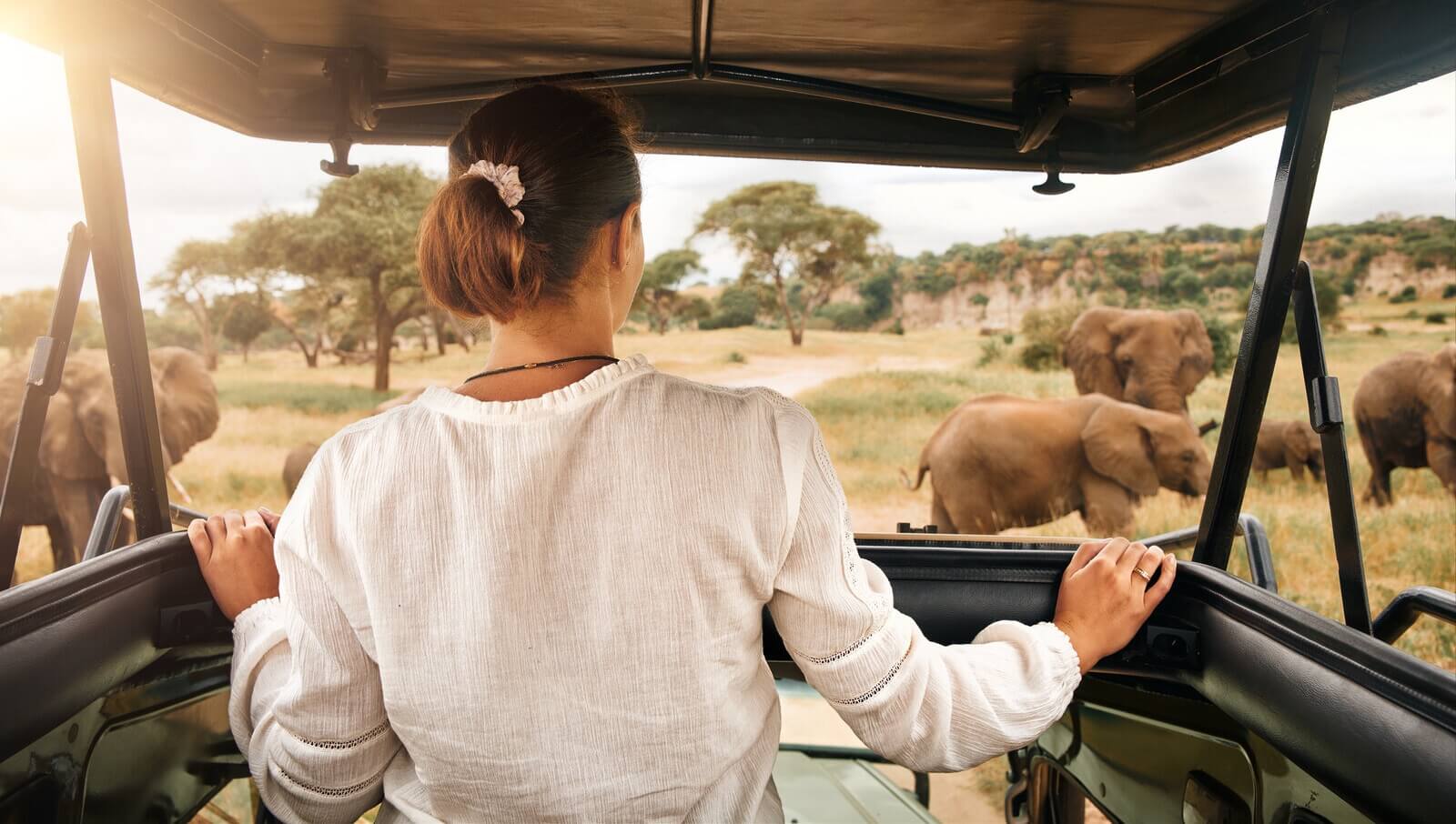
What to expect? Early mornings. Like, really early. Animals don't care about your sleep schedule. You’ll be up before dawn, layered in khaki, bouncing around in a 4x4. It’s dusty, it’s thrilling, and it makes a standard beach trip look a bit boring, to be honest.
Don't fancy a 15-hour flight? Fair enough. You actually don’t have to leave the US to get your wildlife fix. We’ve got some seriously impressive safari parks and zoos right on our doorstep that let you get up close and personal with the world’s most intriguing animals.
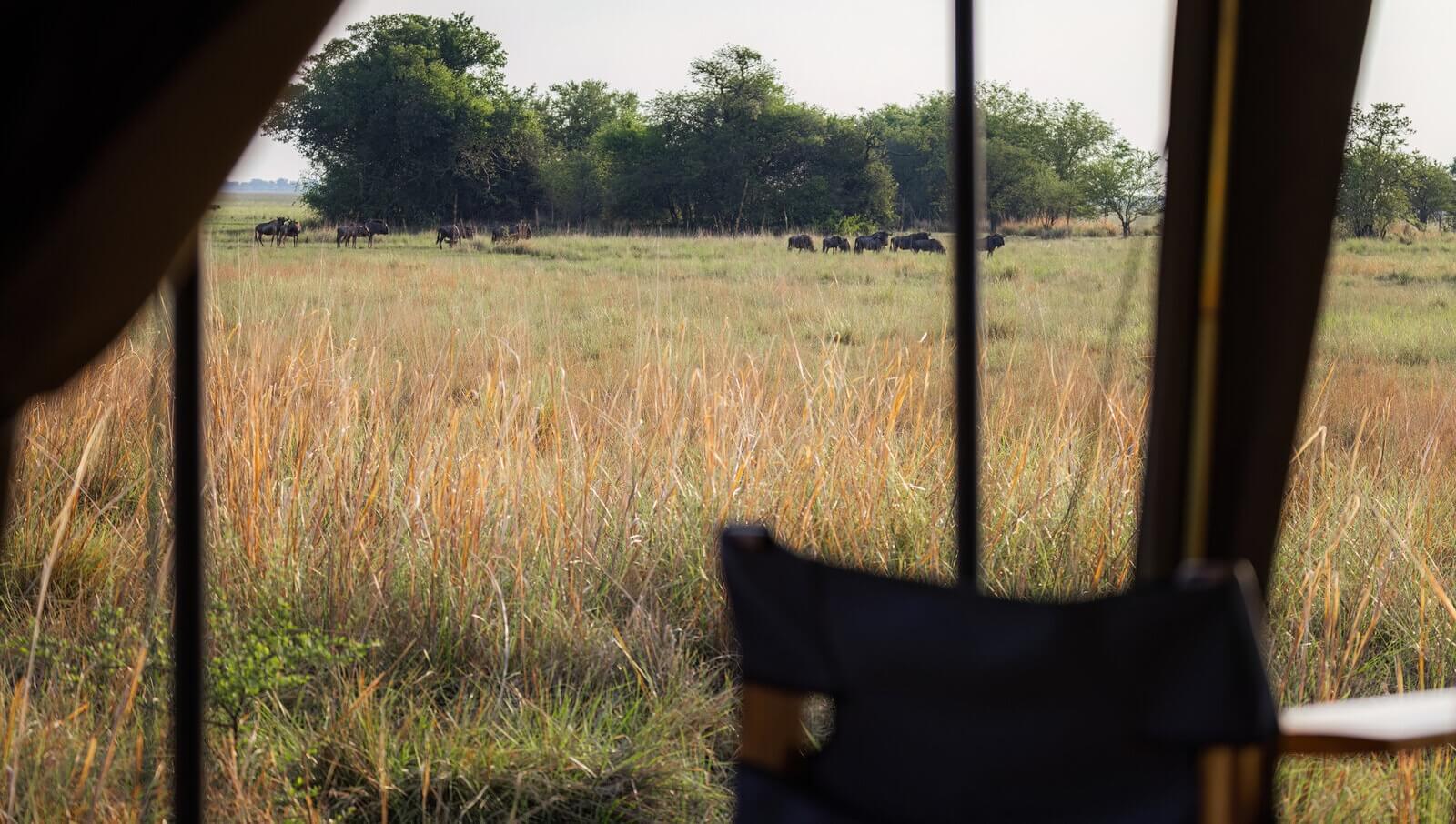
Places like the San Diego Zoo Safari Park in California or Lion Country Safari in Florida offer massive, free-roaming enclosures where you can spot rhinos, giraffes, and wildebeest without needing a passport. It’s all the fun of a safari, minus the jet lag. Plus, it’s incredibly easy to pull off on a whim.
Planning a safari might feel like trying to solve a puzzle blindfolded, but it really boils down to three things: budget, location, and timing. First, figure out what you want to spend. Safaris can range from budget-friendly self-drive camping trips to ultra-luxurious lodges where they hand you a warm towel every five minutes. Next, pick your country based on what animals you want to see. Finally, sort your flights and accommodation. And don't panic if you’re a bit behind schedule. We're the place to book last-minute hotel deals for your layovers and city stops before you head out into the bush.
Pack light, but pack smart. You’ll be spending a lot of time in a vehicle, so comfort is key. Bring layers, because the African bush is freezing at 5 AM and boiling by noon. Stick to neutral colors like khaki, green, and brown. You don't want to wear bright red and look like a giant neon sign to a passing predator. Oh, and do not forget a good pair of binoculars and a camera with a decent zoom. Your smartphone isn’t going to cut it when a leopard is napping in a tree 100 yards away.
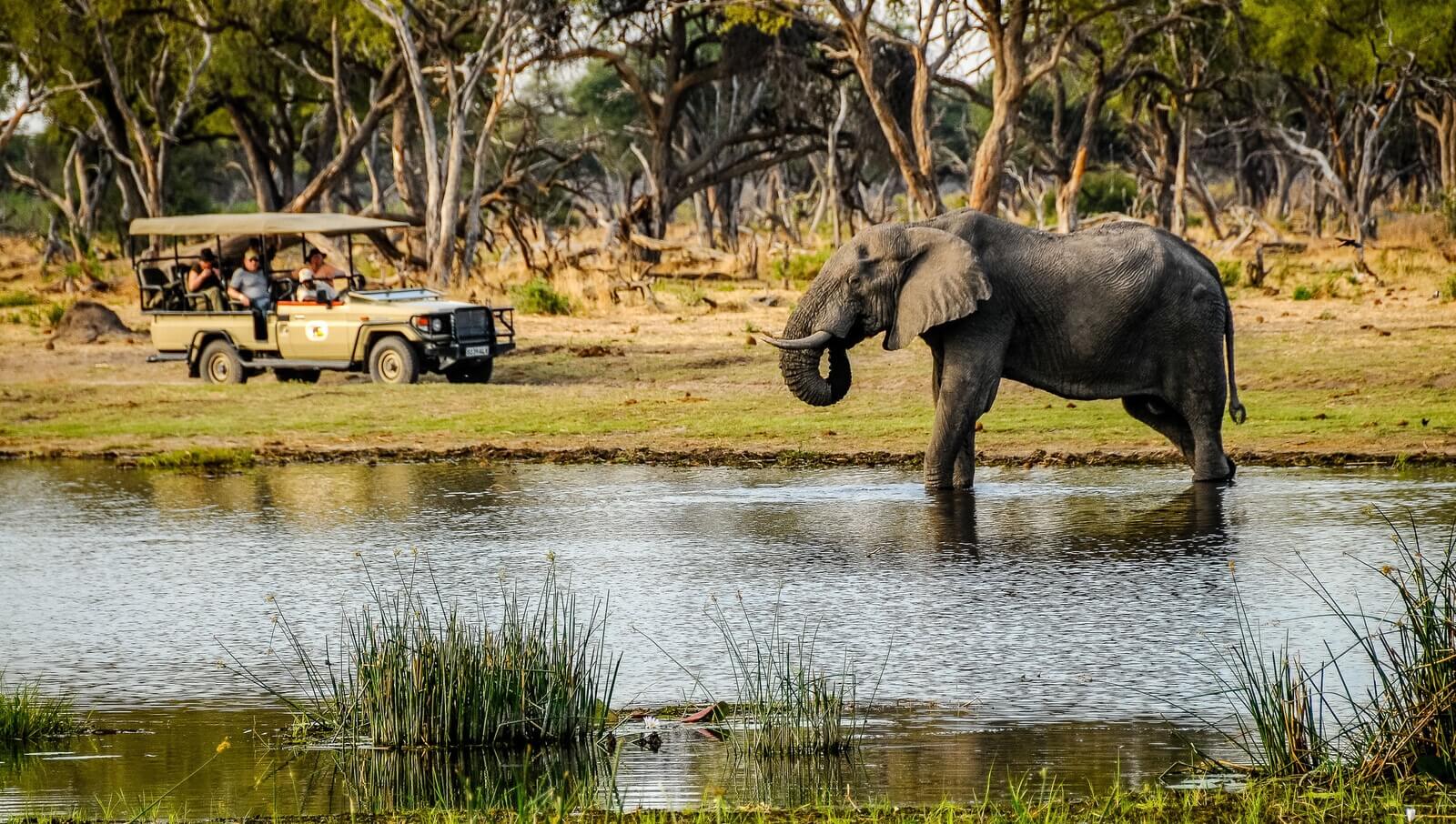
This totally depends on where you’re heading, but as a general rule, the dry season is your best bet. For East and Southern Africa, that’s usually between June and October. Why? Because the grass is shorter, making the animals way easier to spot. Plus, water is scarce, so the wildlife naturally gathers around rivers and waterholes. It’s basically nature’s version of the office watercooler. Just keep in mind that mornings and evenings can get pretty chilly during these months.
Botswana and Namibia consistently rank as some of the safest and most politically stable countries in Africa, offering incredible, uncrowded wildlife experiences. Rwanda is also brilliant, especially if gorilla trekking is on your list. South Africa and Kenya are massive tourist hubs and are generally very safe for safari-goers, provided you stick to the guided tours and use a bit of common sense. Basically, listen to your guide. If they say don't get out of the jeep, definitely don't get out of the jeep.
 Ski holidays
 Golf holidays
 Tennis holidays
 Hiking holidays
 Cycling holidays