15 of the best European Christmas markets
There’s something about wandering through markets at Christmas that makes winter feel like a good idea. Lights glow earlier, food tastes better in the cold, and strangers bond surprisingly fast over shared cups of something hot.
The best Christmas markets in Europe are not just about shopping, they’re about atmosphere. They turn some of the top cities into places where you linger longer than planned, follow your nose instead of a map, and forget how cold your hands are supposed to be.
From medieval squares to grand boulevards, these markets show off Europe at its most playful and welcoming. Whether you want full-blown festive chaos or something quieter and more local, this list covers the spots that make winter travel feel genuinely special.
Cologne, Germany
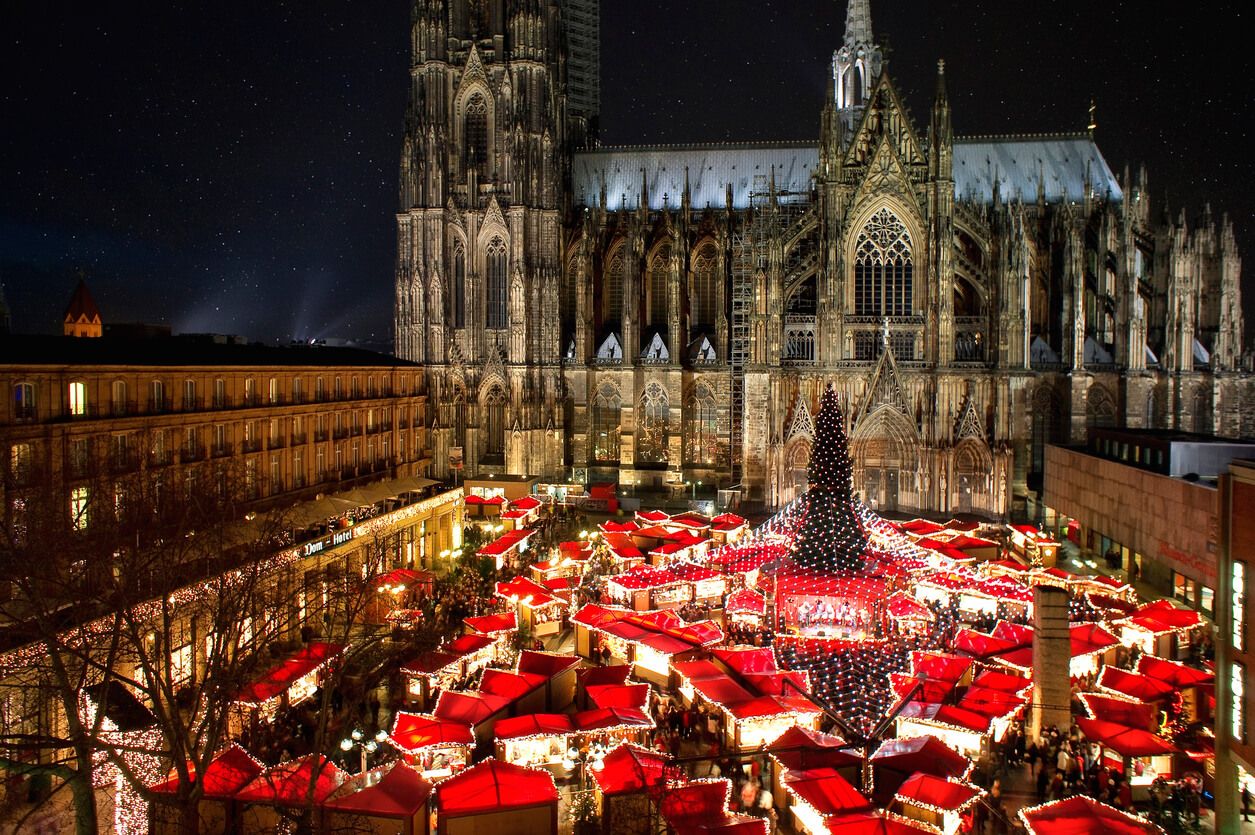
Cologne at Christmas is loud, cheerful and unapologetically festive. The cathedral looms dramatically over the main market, choirs belt out carols you half-recognize, and the air smells like roasted chestnuts and something boozy. It feels more like a party than a postcard, with locals lingering over mulled wine long after the lights come on.
Vienna, Austria

Vienna leans elegant, even when it’s freezing. Think fairy-lit squares framed by grand architecture, stalls selling delicate ornaments, and classical music drifting through the cold air like it belongs there. The markets feel polished but never stiff, and somehow make sipping hot punch feel like a cultured activity rather than survival.
Prague, Czech Republic
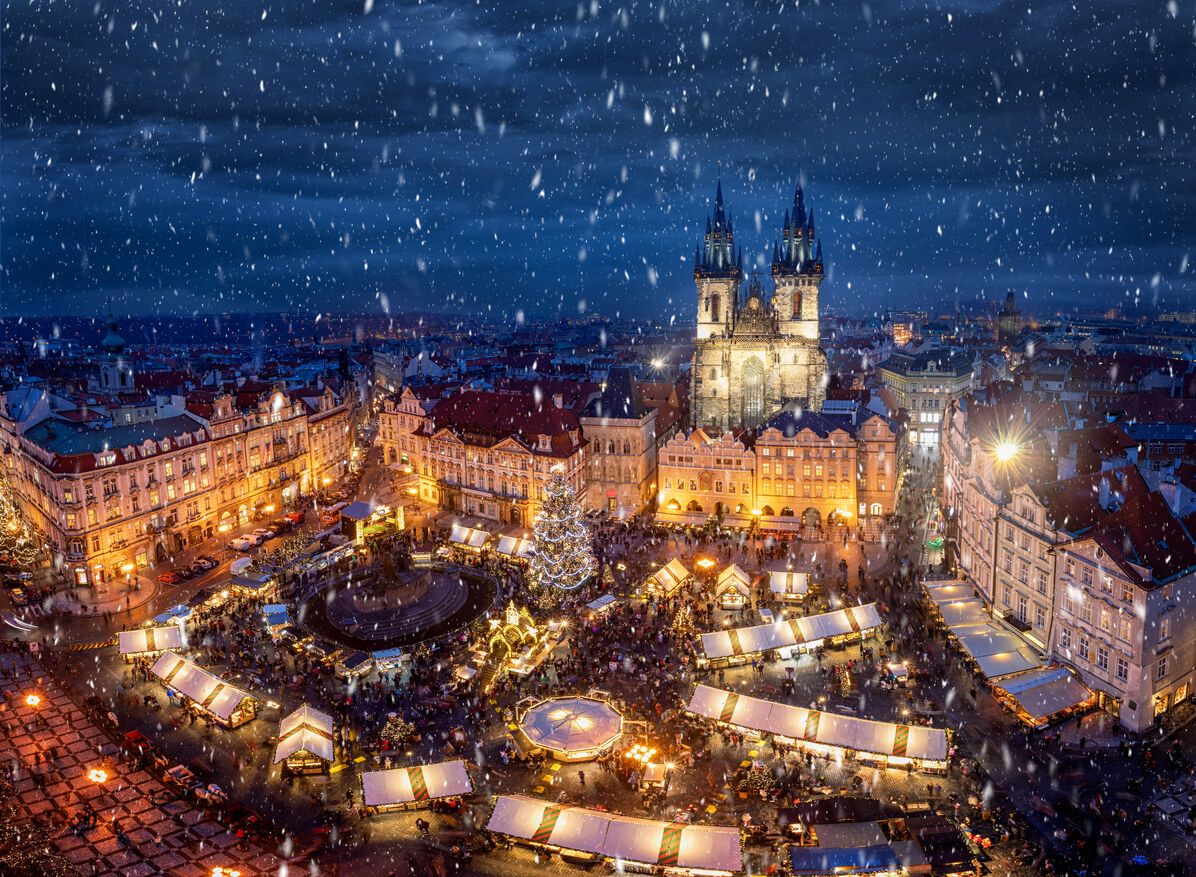
Prague’s Christmas markets look like they were designed for a snow globe, even if it’s not actually snowing. Old Town Square does most of the heavy lifting, with its Gothic backdrop, oversized tree, and stalls piled high with wooden toys and pastries. It’s busy, but the kind of busy that still feels magical.
Strasbourg, France
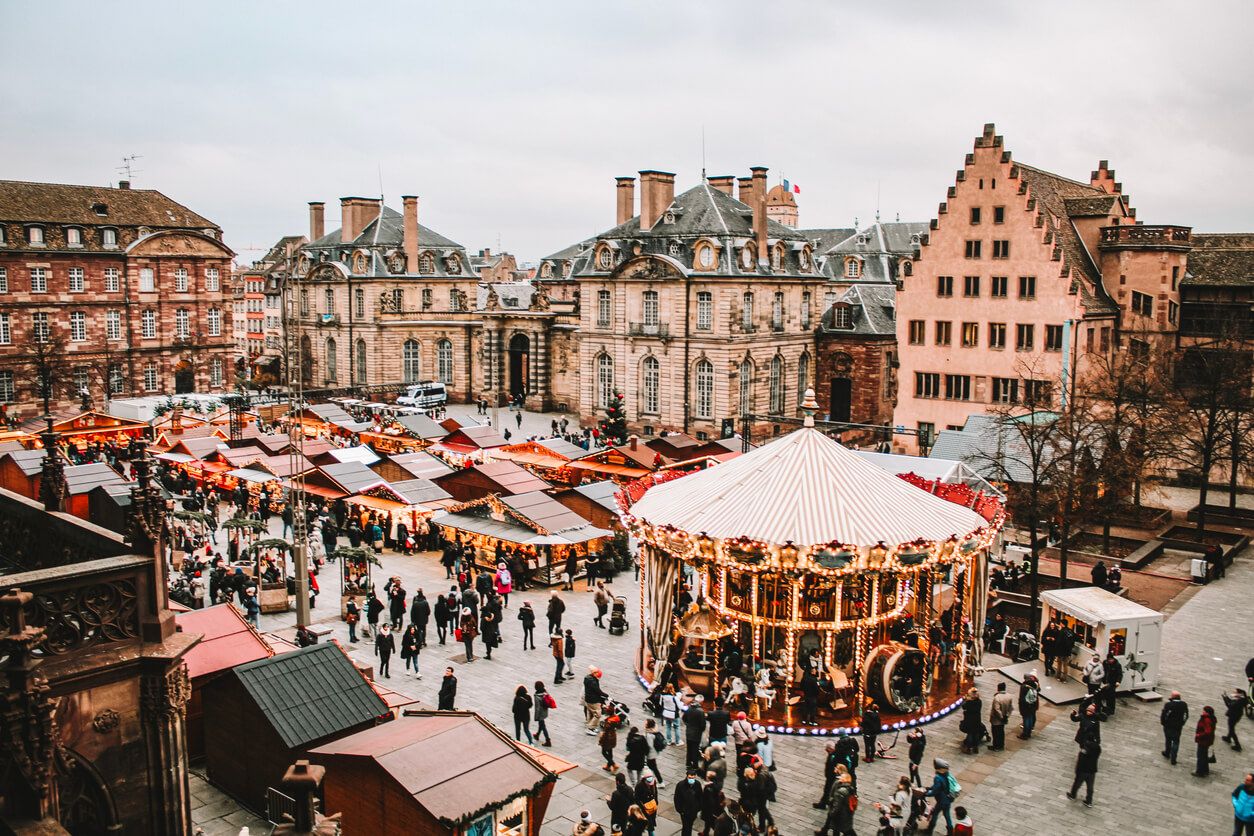
Strasbourg takes Christmas seriously, which makes sense when you call yourself the Capital of Christmas. The half-timbered houses glow under layers of lights, and every corner feels decorated with intention rather than excess. It’s festive without being frantic, perfect for slow wandering and strategic stops for hot wine and snacks.
Budapest, Hungary
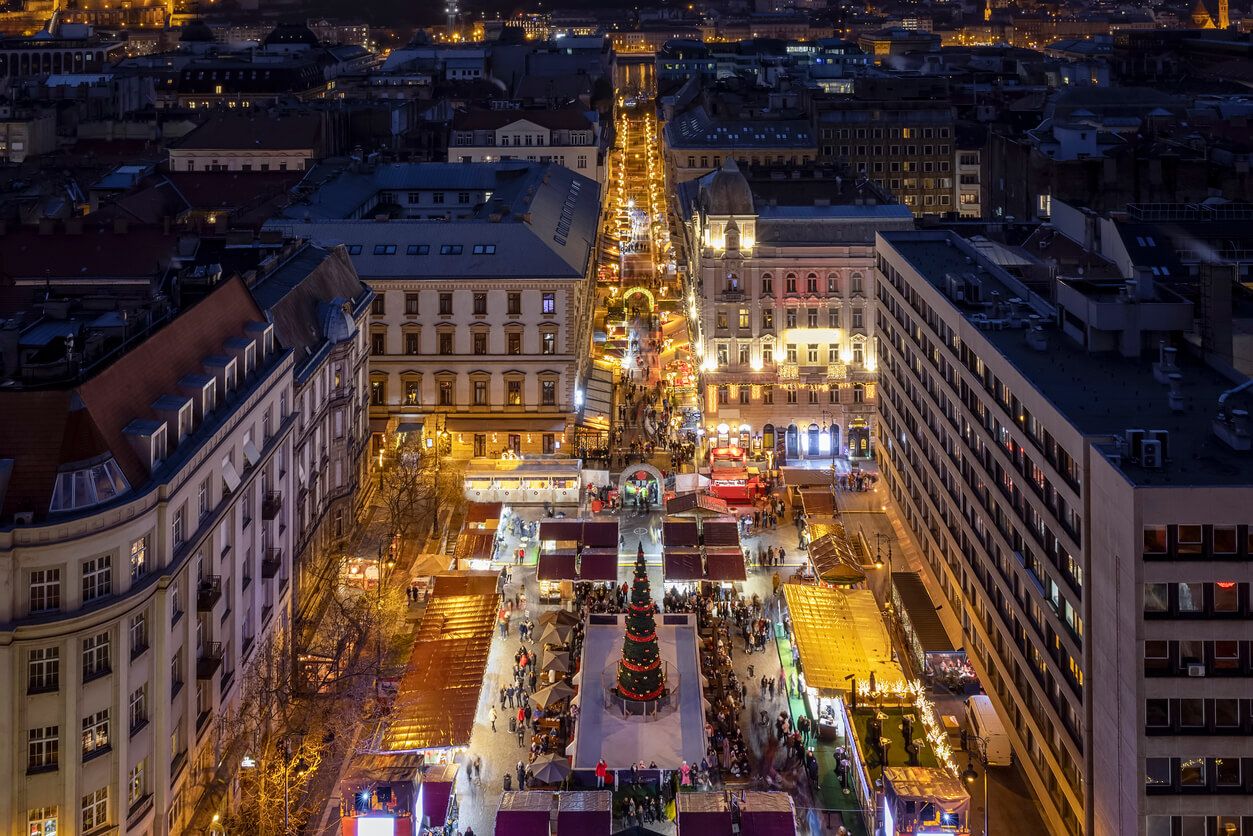
Budapest’s markets balance tradition with a relaxed, local feel. Vörösmarty Square is the headline act, packed with handmade goods and hearty Hungarian food that’s built for cold weather. Grab something warming, admire the lights, then wander off toward the river where the city feels quieter but just as atmospheric.
Copenhagen, Denmark
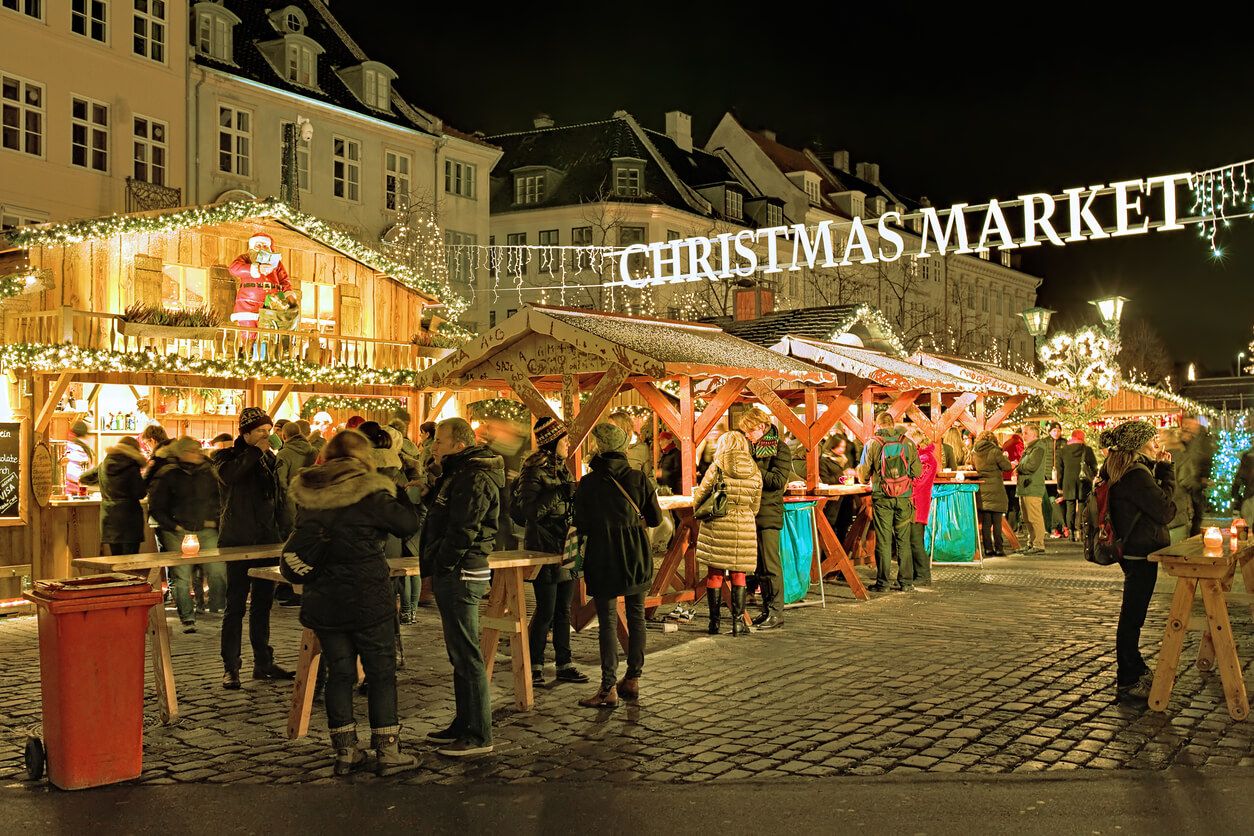
Copenhagen does Christmas with cozy confidence. Tivoli Gardens turns into a full-blown winter wonderland, complete with rides, lights, and stalls that make it hard to leave. Elsewhere in the city, smaller markets keep things simple and stylish, proving that hygge is not just a buzzword when it’s this cold.
Brussels, Belgium
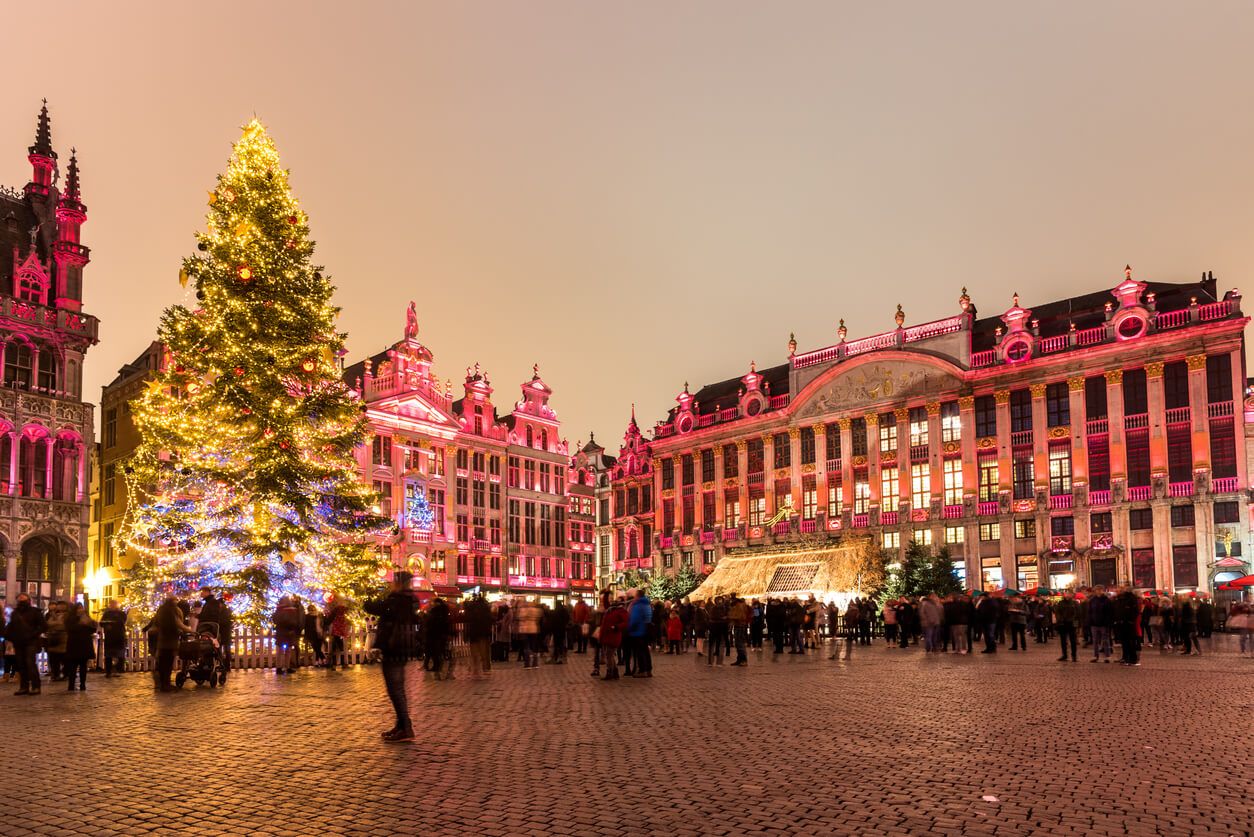
Brussels combines Christmas markets with a street party energy that sneaks up on you. Winter Wonders stretches across the city center, mixing traditional stalls with light shows and the occasional fairground ride. Waffles, fries and chocolate are never far away, which feels like the correct approach to any winter outing.
Edinburgh, Scotland
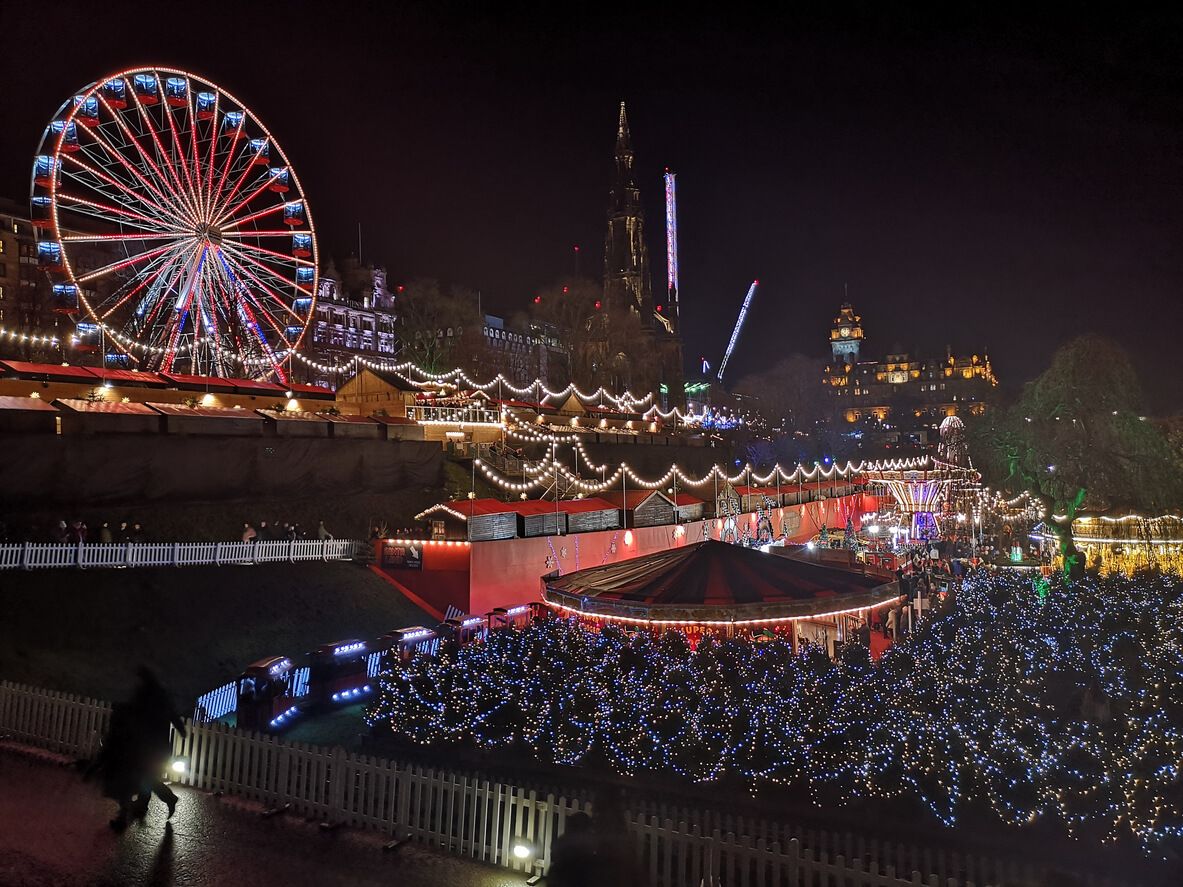
Edinburgh’s Christmas markets come with a dramatic backdrop built in. Princes Street Gardens fills with festive stalls beneath the castle, creating a setting that feels theatrical without trying too hard. Add in a giant Ferris wheel and plenty of hot drinks, and you’ve got a market that’s as much about the view as the shopping.
Tallinn, Estonia
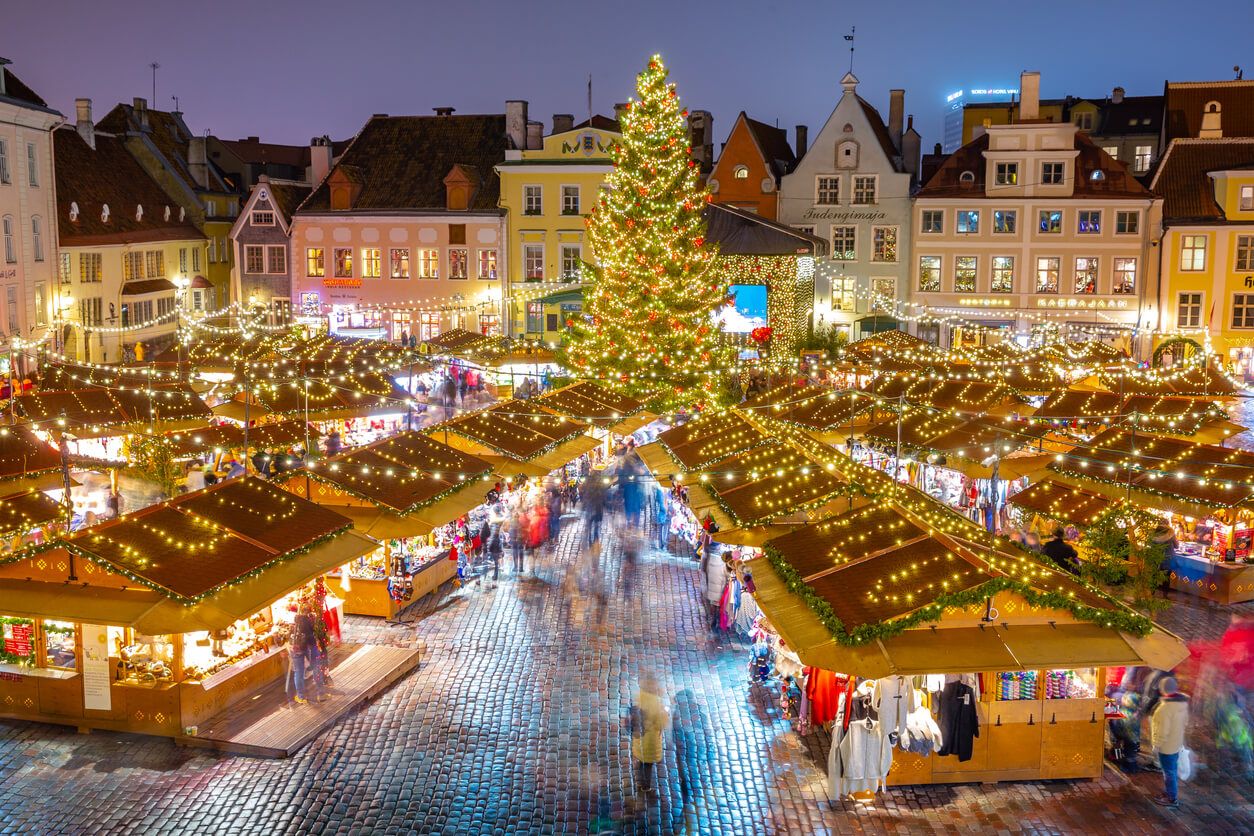
Tallinn’s market is small, charming, and refreshingly unfussy. Set in the medieval Town Hall Square, it feels intimate and authentic, with traditional crafts, local food, and a Christmas tree that claims serious historical credentials. It’s the kind of place where you slow down without meaning to and stay longer than planned.
Zagreb, Croatia
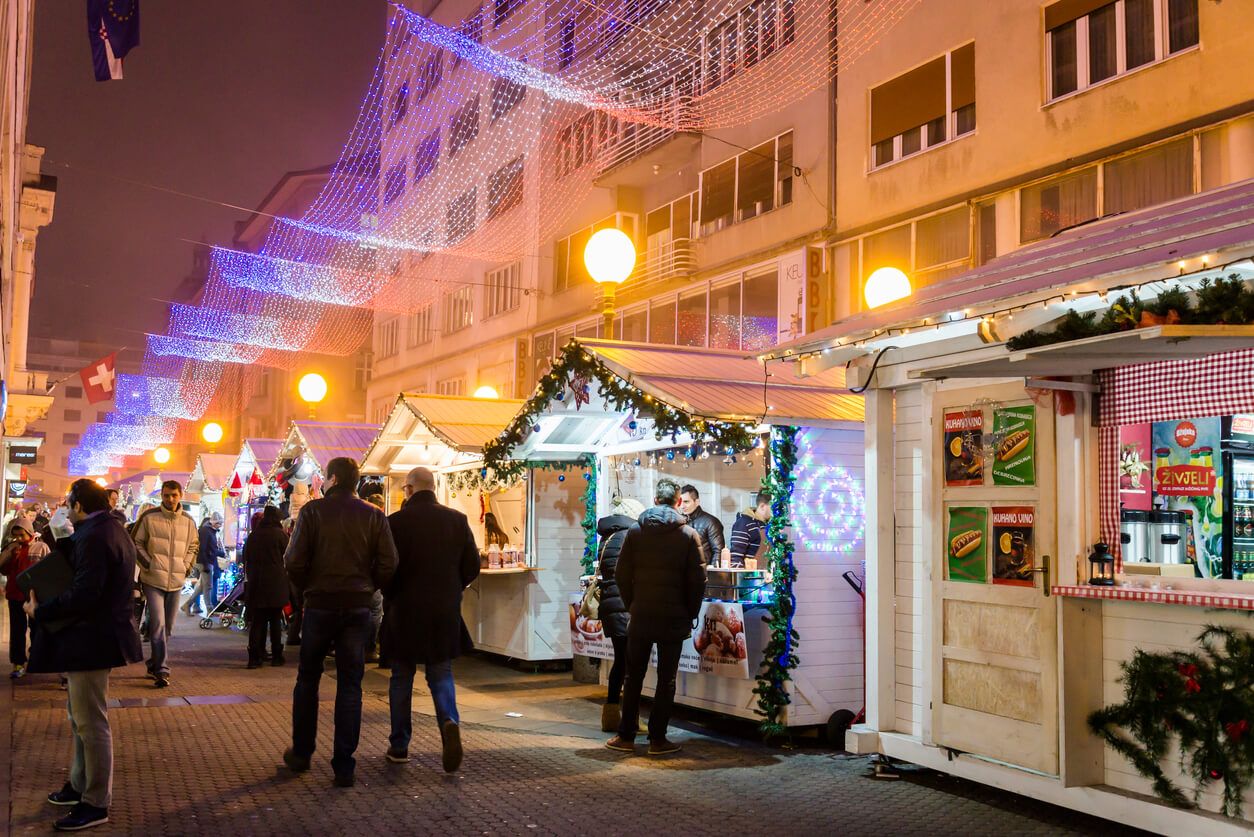
Zagreb’s Christmas markets punch well above their weight. The city turns its parks, streets and squares into a spread-out celebration, complete with live music and creative food stalls. It feels local and lively rather than overly polished, and has repeatedly earned its reputation as one of Europe’s most enjoyable festive surprises.
Barcelona, Spain
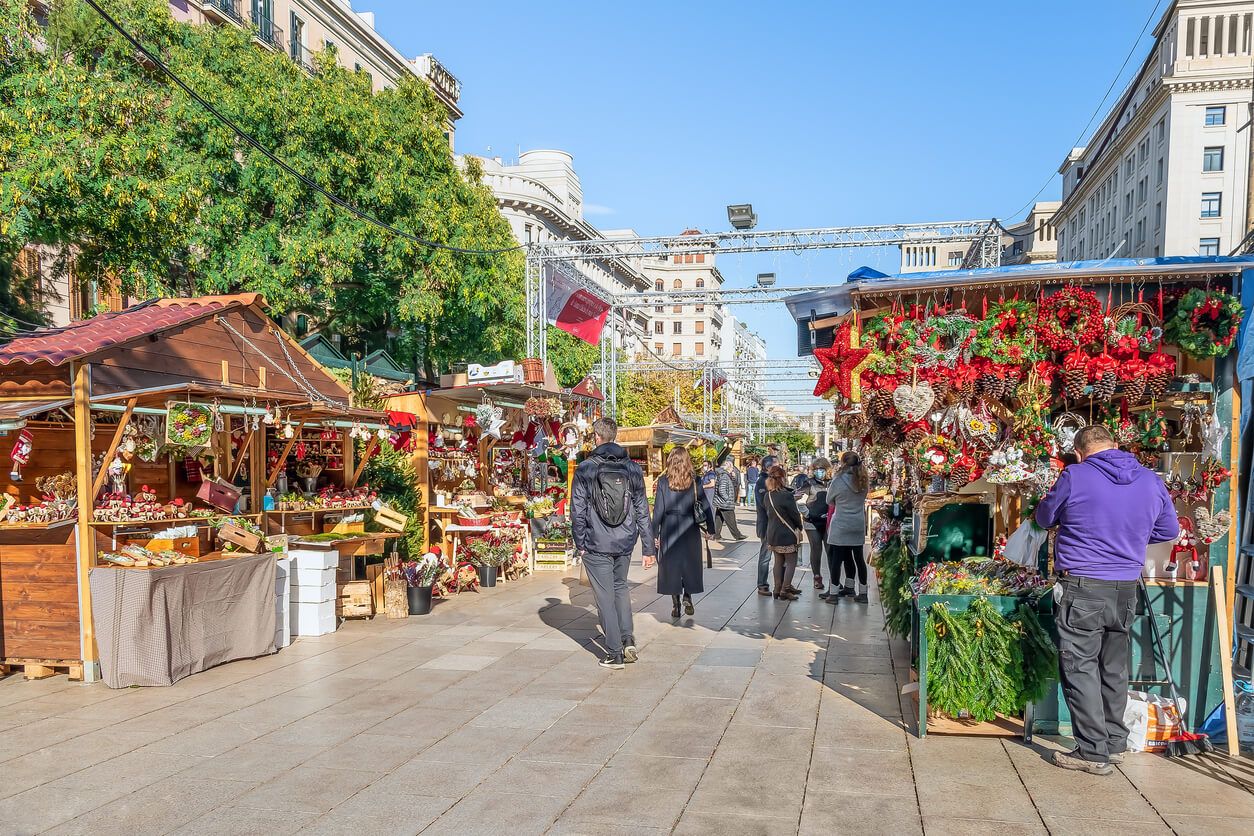
Barcelona’s Christmas markets swap snow for sunshine and tradition with personality. Fira de Santa Llúcia, near the cathedral, mixes classic decorations with uniquely Catalan touches that may raise an eyebrow or two. It’s festive without the freeze, and proves you don’t need sub-zero temperatures to get into the holiday spirit.
Basel, Switzerland
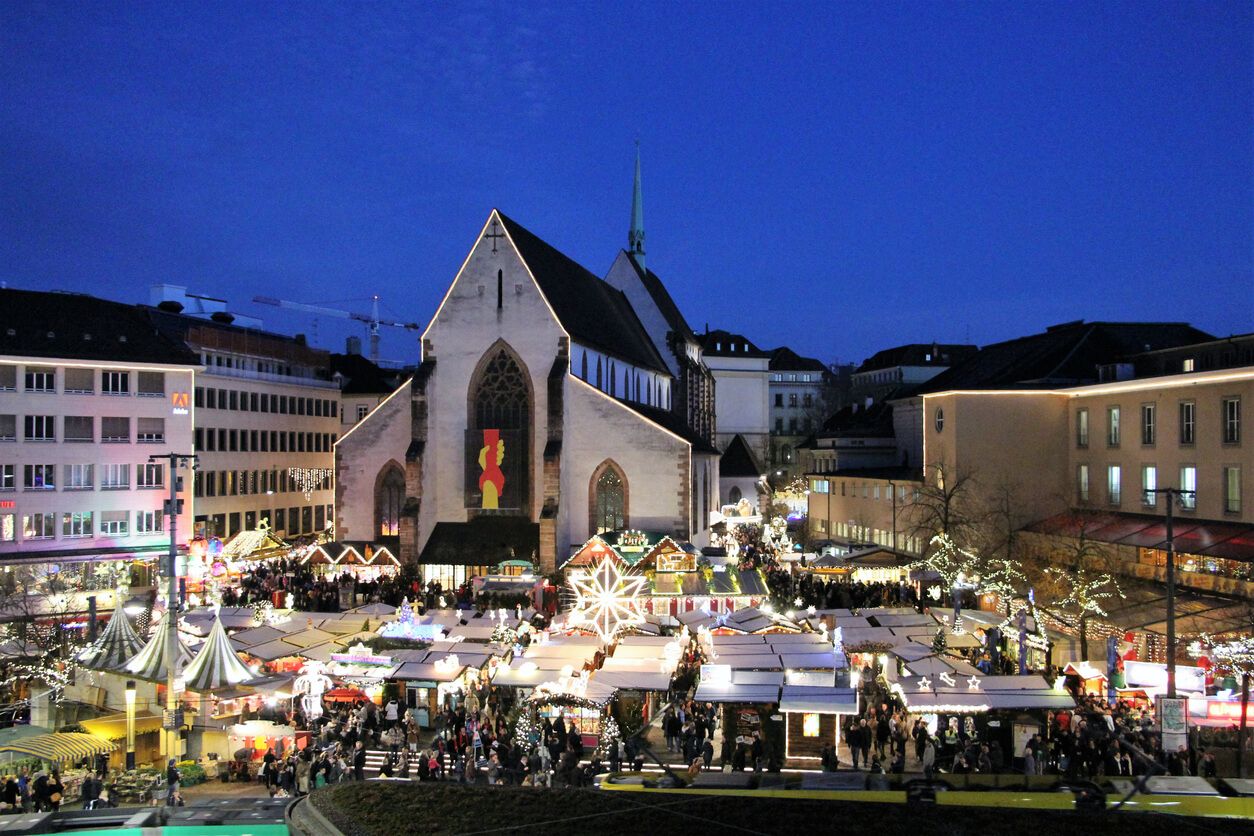
Basel’s markets feel refined without being intimidating. Set across historic squares, they focus on quality crafts, thoughtful gifts, and food that’s worth braving the cold for. The city itself joins in, with beautifully decorated streets that make the whole place feel quietly festive rather than loudly seasonal.
Stockholm, Sweden
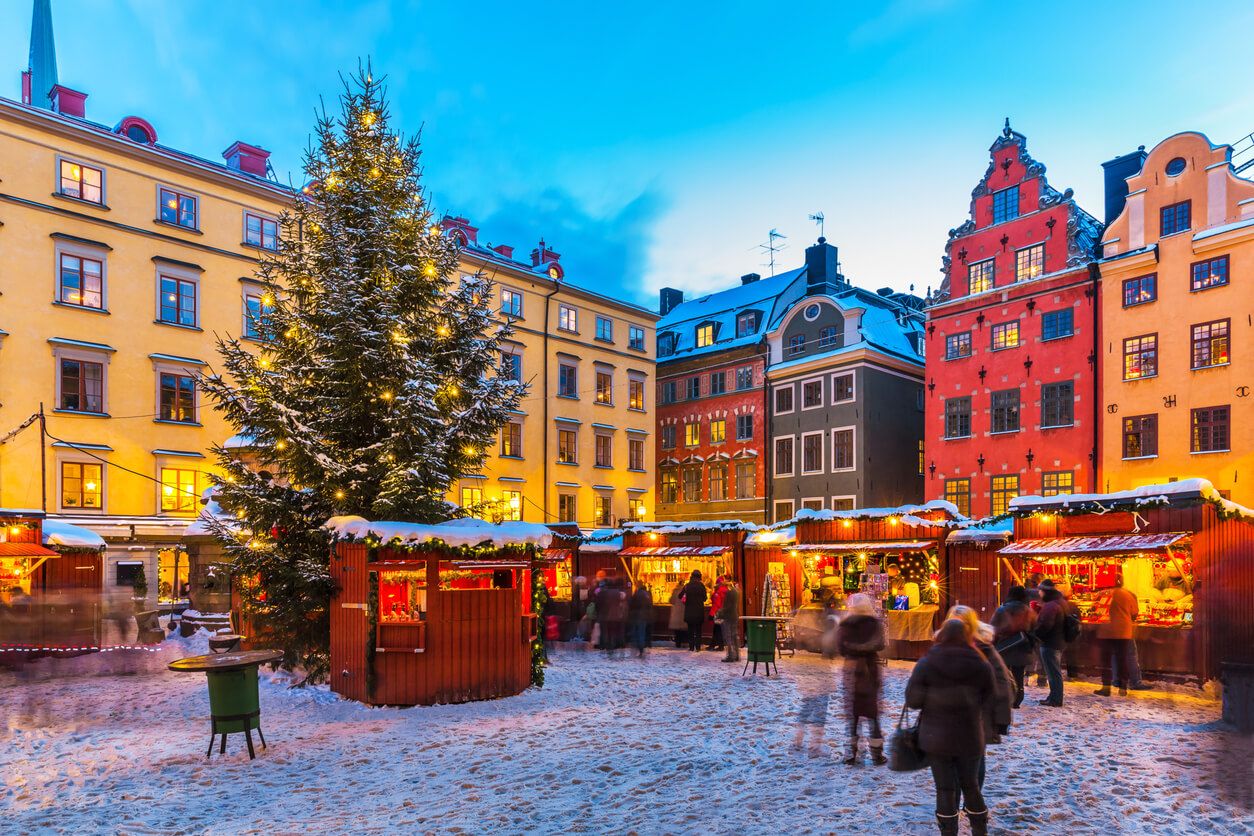
Stockholm’s Christmas markets lean traditional and atmospheric. Skansen’s historic setting brings old Swedish customs to life, while Gamla Stan offers a smaller, moodier alternative with glowing lights and narrow streets. It’s dark, it’s cold, and it somehow makes the whole experience feel more authentic rather than less inviting.
Ljubljana, Slovenia
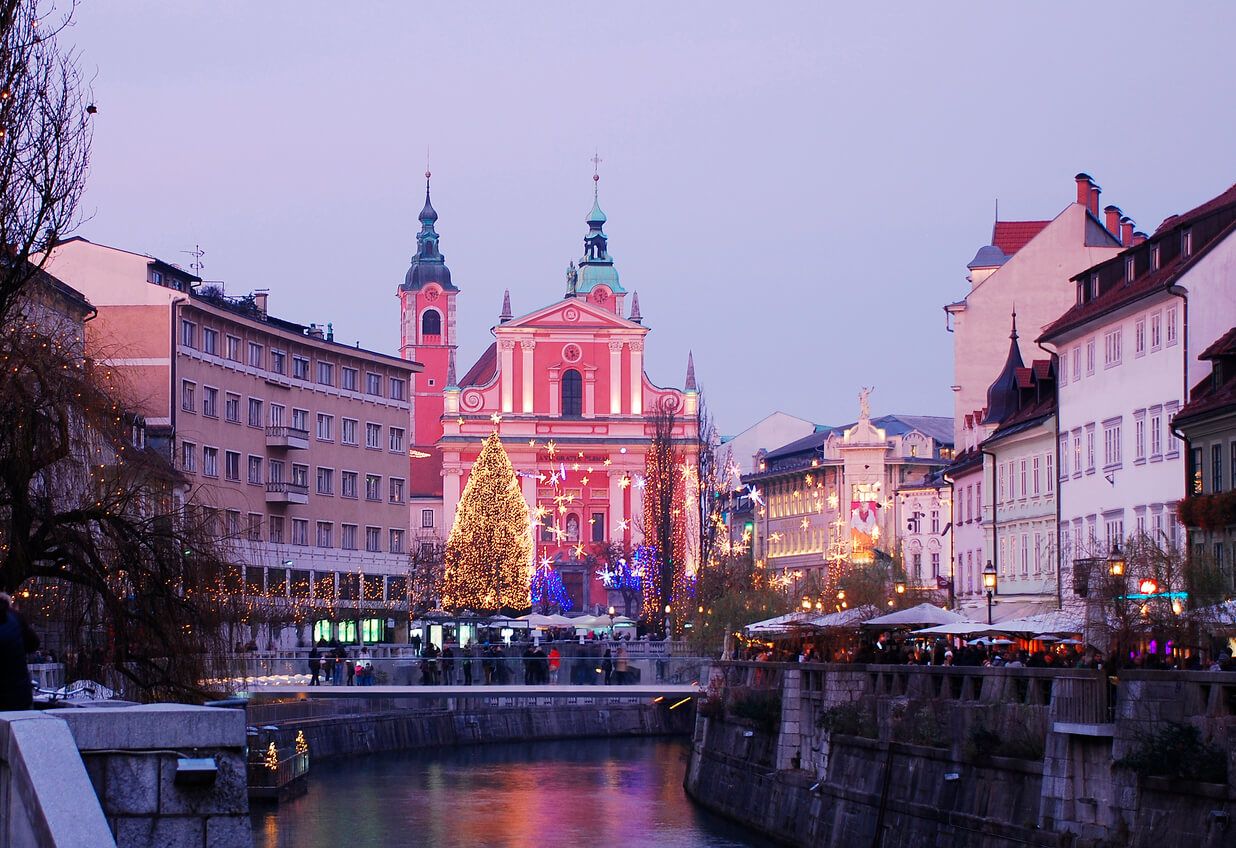
Ljubljana keeps things simple and charming. Lights stretch across the river, stalls line the streets, and the whole city feels walkable and welcoming. The markets are less about souvenirs and more about atmosphere, making it easy to wander, snack, and soak it all in without feeling rushed or overwhelmed.
Munich, Germany
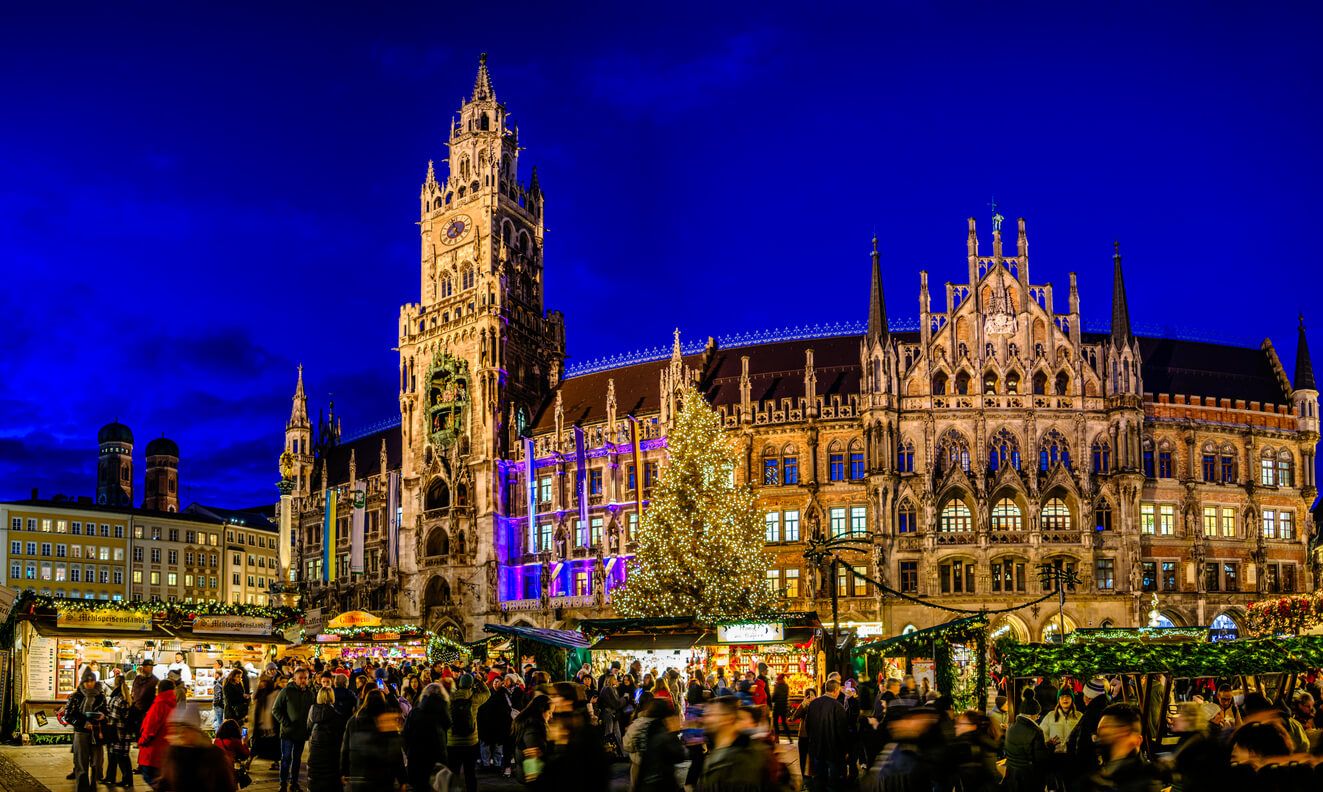
Munich rounds things out with classic Bavarian Christmas energy. Marienplatz is the focal point, framed by historic buildings and filled with traditional stalls selling everything you expect and a few things you didn’t. It’s festive, familiar, and satisfying in the way only a well-executed classic can be.
If these markets have you thinking about winter getaways, we’ve got plenty more Europe hotels to help you explore the continent when it’s at its most atmospheric. Pick a city, pack a warm coat, and let the lights, food and festive energy do the rest.


Meet the author
Ian LewisIan has worked in travel for over 15 years, writing about destinations across the whole UK and around the world. He loves city breaks with the family and is always hunting out new and exciting attractions to visit, and the best hotels to match.


